Online Inspection System for Polyester Staple Fiber Spinning | Simplifying Inspection and Intelligently Controlling Quality
Published: 2026-06-25 17:48:52
Return to list
 ?
?
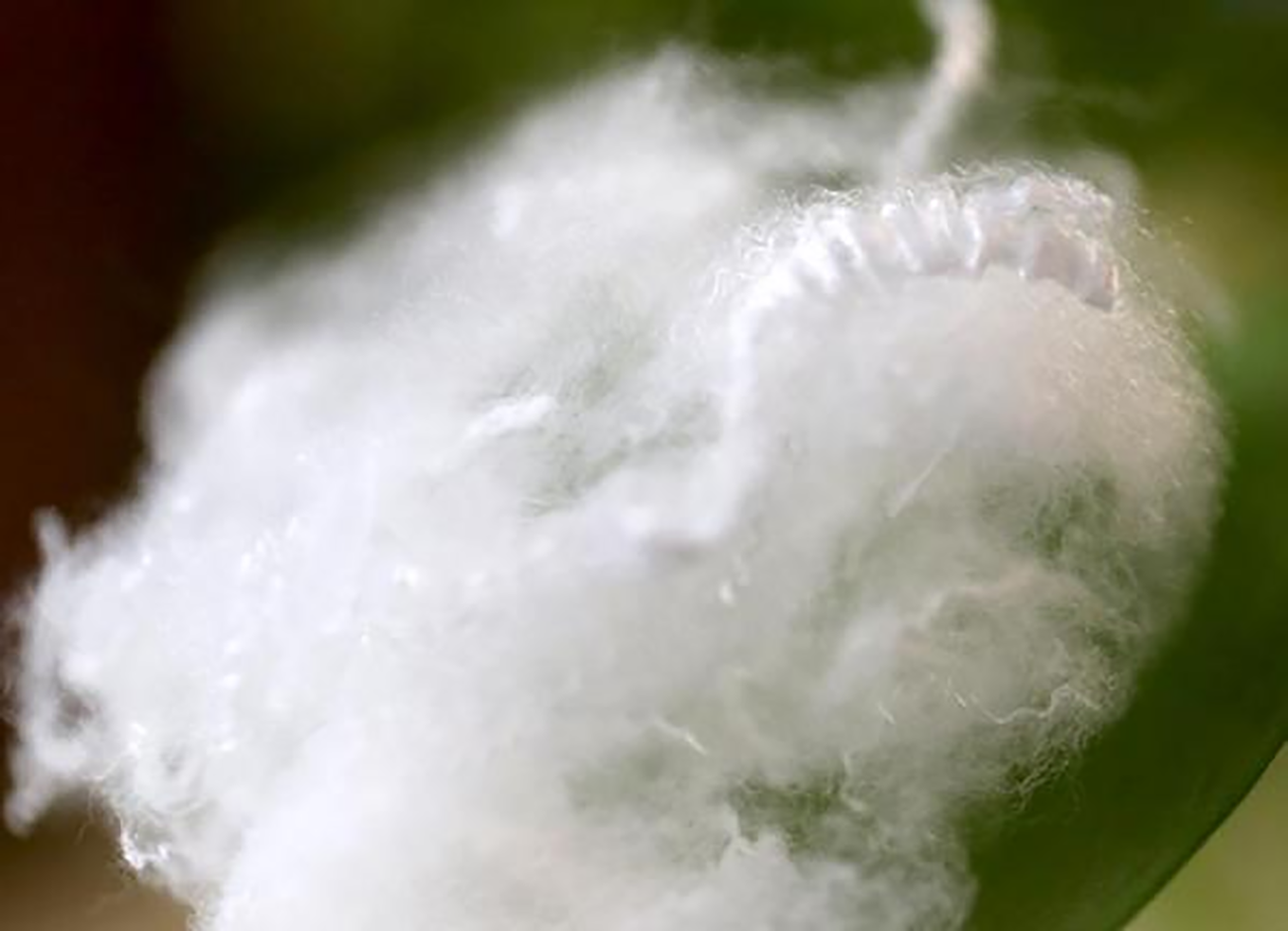
In the production of polyester staple fiber (PSF), various factors such as pressure fluctuations and uniformity differences in the annular and cooling air, as well as raw material quality, often lead to various defects such as fused fibers, doubling, stiff fibers, columnar fibers, sizing lumps, and broken fibers. These subtle defects not only directly affect product quality but also reduce downstream spinning efficiency and even trigger customer complaints. Traditional manual inspection methods are limited by the high-speed operation of spinning mills, making it difficult to achieve real-time and accurate defect identification; while some mechanical inspection solutions on the market have limitations such as difficulty in sensitivity control, low reliability, and non-intuitive results, failing to meet the refined quality control needs of enterprises.
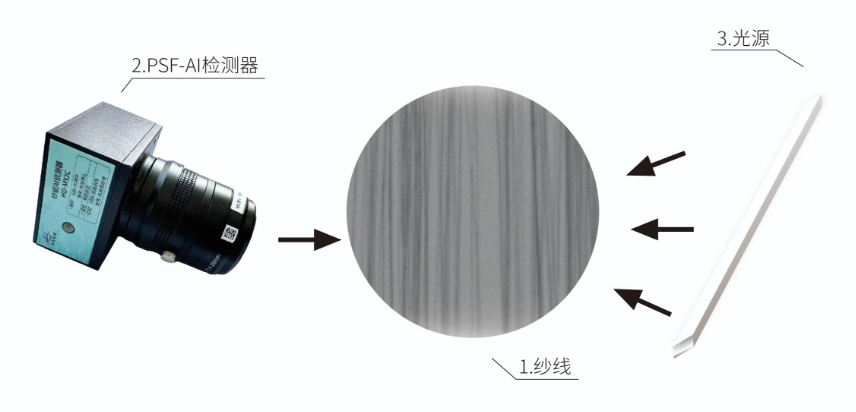
Addressing this industry pain point, Xi'an Huode, leveraging years of technological accumulation and continuous innovation, successfully launched...PSF-AI detectorDesigned specifically for quality monitoring of high-speed polyester staple fiber products, this system can detect defects in polyester staple fiber spinning processes up to 1600 meters per minute. Integrating cutting-edge machine vision and artificial intelligence technologies, it achieves fully automated, high-precision, and real-time detection of various defects during production, providing textile enterprises with an integrated quality improvement solution from "perception" to "decision-making."
 ?
?
Core advantages and technical features
1. Highly integrated, intelligent recognition
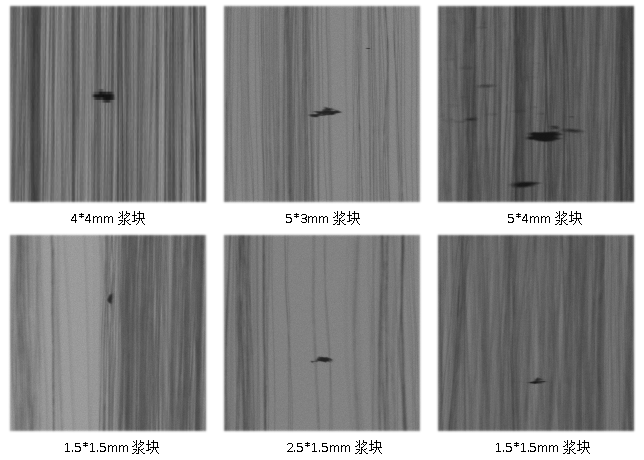
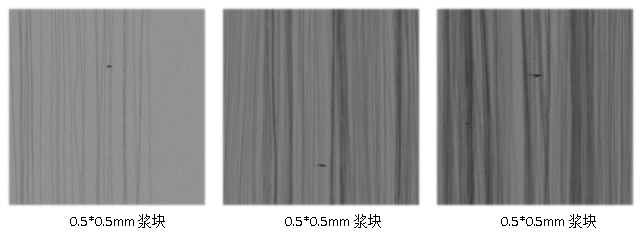
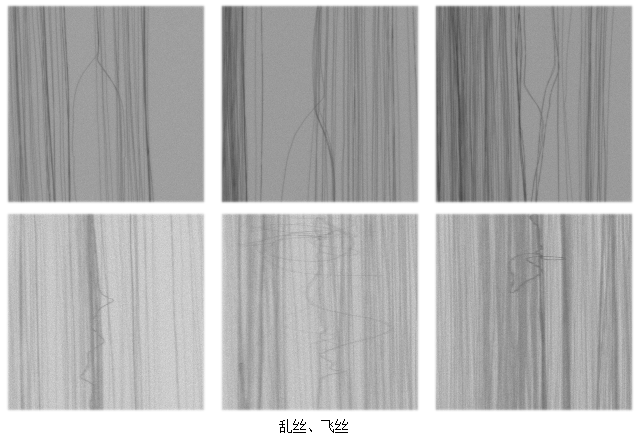
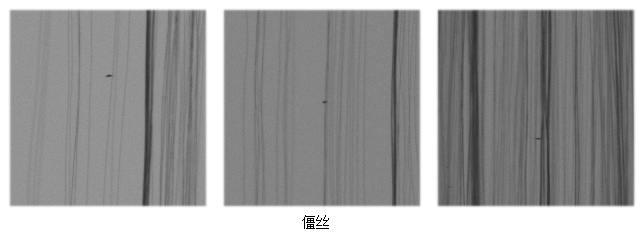
The PSF-AI detector adopts an integrated embedded design, with a built-in high-performance AI chip and self-developed deep learning algorithm. It can complete real-time image acquisition and analysis processing of high-speed spinning without the need for complex external processing equipment. The system can accurately identify a variety of common defects, including fused yarn, doubling yarn, stiff yarn, and pistil yarn, and can reliably detect slurry lumps as small as 0.5mm×0.5mm, greatly improving the defect detection rate and the timeliness of early warning.
 ?
?
 ?
?
 ?
?
 ?
?
?
2. Digital control, intuitive and visual.
All detected defect images are transmitted to a server for centralized storage and display via industrial Ethernet. The images are clear and well-categorized. Users can flexibly set the detection sensitivity through a digital interface and customize alarm strategies based on multiple dimensions such as defect area and frequency of occurrence, realizing a leap from "experience-based judgment" to "data-driven" quality control.
3. Sturdy and durable, highly adaptable
The equipment has a compact structure, is easy to install, and features automatic cleaning and dust prevention functions. It is encapsulated with an IP67 protection rating, making it resistant to complex industrial environments with high temperature, high humidity, and high dust levels, ensuring long-term stable operation and reducing maintenance costs.
4. Cost optimization and flexible deployment
Compared to the traditional "industrial computer + industrial camera" solution, the PSF-AI detector achieves higher detection accuracy and reliability while also being more cost-effective and easier to install and maintain, helping companies achieve intelligent upgrades to their production lines with lower investment.
5. Production line-level monitoring and management
Each production line is equipped with a server that can connect to detectors at up to 36 spinning positions. Through industrial Ethernet networking, it enables centralized parameter setting, data storage, and real-time monitoring.
This server supports:
1. One-stop configuration of variety parameters, control parameters, algorithm parameters, detection sensitivity, etc.;
2. Save abnormal defect information and abnormal images;
3. Can operate independently or be connected to workshop-level systems, balancing flexibility and scalability.
6. Workshop/Factory-level Data Integration
By deploying workshop or factory-level servers, testing data from up to 30 production lines can be aggregated, enabling cross-production line and cross-process quality comparison and trend analysis. This provides a reliable basis for process optimization, production scheduling, and management decisions, and promotes the development of quality control towards systematization and platformization.
Application prospects
We offer more than just an online inspection system for polyester staple fiber spinning; we provide a sustainable quality management solution. By leveraging AI technology to empower production, we enable early detection, early warning, and early intervention of defects, improving product consistency and stability from the source. This helps companies reduce losses, increase efficiency, and enhance market competitiveness.
Online message